Osteoporosis is not a rare condition. It affects millions of people, often without warning. Medical data shows that nearly one out of three women and one out of five men suffer fractures caused by weak bones. In India, estimates suggest that close to 50 million people already have low bone density or osteoporosis based on T-score readings.
Osteoporosis develops when bones lose strength faster than the body can rebuild them. Over time, bones become fragile from the inside. This is why fractures may occur after simple falls, minor slips, or even normal daily movements. Most people do not realize they have osteoporosis until the first fracture happens. Unfortunately, that first fracture increases the risk of another one very quickly.
This article explains osteoporosis in detail and can osteoporosis really be cured?
Osteoporosis Symptoms
Osteoporosis is often called a silent disease. The reason is simple. It does not cause pain in the early stages. People feel normal while their bones slowly lose strength year after year. Since the damage happens inside the bone, the body looks the same from the outside until a fracture occurs.
Common Signs of Osteoporosis
In the beginning, osteoporosis does not cause clear symptoms. Bone loss happens gradually, and the body does not send warning signals.
Some people may notice:
- Feeling tired after standing or walking for some time
- Mild back discomfort after sitting for long hours
- Weak grip while holding objects
- Slight imbalance while walking
These signs are often ignored or blamed on age. In reality, they appear because bones and muscles stop working together properly as bone strength reduces.
More than 70 percent of people with osteoporosis do not feel any symptoms before their first fracture. This is why early testing becomes so important.
Symptoms in Advanced Osteoporosis
When osteoporosis progresses, bones become weak enough to crack under normal pressure.
Common signs at this stage include:
- Sudden back pain caused by small spinal fractures
- Loss of height over time
- A bent or stooped posture
- Hip fracture after a minor fall
- Wrist fracture while trying to support the body
These fractures happen because the inner structure of the bone becomes porous and weak.
Once a person has one osteoporotic fracture, the chance of another fracture becomes two to four times higher within the next two years. This is why preventing further fractures is the main goal of treatment.
Why Osteoporosis Is Detected Late?
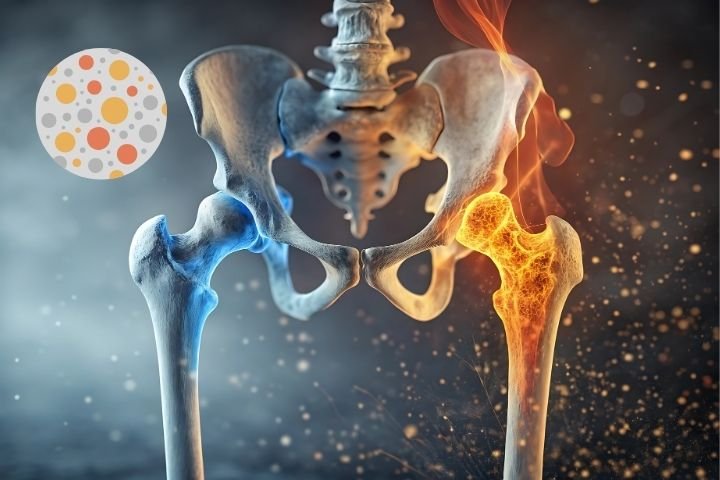
Osteoporosis mainly affects the inner part of the bone, known as trabecular bone. This part does not contain pain-sensitive nerves. As a result, bone damage continues quietly. Pain appears only when the bone collapses or breaks.
Common Causes of Osteoporosis
Osteoporosis develops when bone loss continues for many years without enough bone formation to balance it.
The most common causes include:
- Calcium deficiency: Calcium gives bones their strength. When intake remains low for a long time, the body removes calcium from bones to meet daily needs.
- Vitamin D deficiency: Vitamin D helps the body absorb calcium. Without it, even a healthy diet cannot protect bones.
- Hormonal changes: After menopause, estrogen levels drop. Estrogen protects bones, so women lose bone density faster after menopause.
- Ageing: After the age of 35, bone formation slows down naturally. Bone loss continues, leading to gradual weakening.
- Lack of physical activity: Bones need regular movement and weight-bearing stress. A sedentary lifestyle weakens them.
- Long-term steroid use: Steroid medicines reduce bone formation and increase calcium loss, raising fracture risk.
Can Osteoporosis Be Cured?
Osteoporosis cannot be cured permanently. It is not an infection that goes away completely. However, it can be controlled very effectively with the right orthopedic treatment.
With proper care:
- Bone density can improve within 18 to 24 months
- Risk of spinal fractures drops significantly
- Risk of hip fractures reduces considerably
Many patients continue normal daily activities without repeated fractures once treatment begins.
How Osteoporosis Is Diagnosed in Delhi
Most patients do not feel pain until a fracture occurs. This is why diagnosis depends on medical evaluation and testing.
Clinical Assessment
An orthopedic specialist in Delhi first reviews age, body weight, posture changes, and any loss of height. Fractures after small falls are taken seriously, as they strongly indicate weak bones.
DEXA Scan
A DEXA scan is the most reliable test for osteoporosis. It measures bone density in the spine and hip.
Results are shown as a T-score:
- Above 1 means normal bone strength
- Between 1 and 2.5 means low bone mass
- Below 2.5 confirms osteoporosis
Each drop in T-score increases fracture risk.
X-Rays and Blood Tests
X-rays help detect silent spinal fractures. Blood tests check vitamin D, calcium, thyroid function, and other conditions that affect bone health.
Osteoporosis Treatment in Delhi at The Bone Clinic.
Orthopedic Treatment in Delhi focuses on slowing bone loss and strengthening bones over time
Oral Medicines
Most patients start with oral medicines that reduce bone breakdown. These medicines help preserve existing bone strength. Calcium and vitamin D supplements are always added. Without correcting these deficiencies, medicines do not work fully Treatment usually continues for three to five years, guided by repeat bone density tests.
Injection Treatment in Delhi for Osteoporosis
Injection therapy is used in moderate to severe cases. It is recommended when bone density is very low or fractures have already occurred. These injections stimulate bone-forming cells and improve bone strength faster than tablets. Injection treatment usually lasts 12 to 24 months, followed by oral medicines for maintenance
Lifestyle and Supportive Therapy.
Medicines alone are not enough
- Weight-bearing exercises strengthen bones.
- Muscle training improves stability.
- Balance exercises reduce fall risk.
Most fractures happen due to falls, so these steps are essential.
Is Surgery Required for Osteoporosis?
Osteoporosis itself does not need surgery. Surgery is required only after fractures. Hip fractures need urgent surgical fixation.
Severe spinal fractures may need stabilization if pain or nerve pressure occurs The aim of surgery is to restore stability, reduce pain, and help patients walk again.
Can Osteoporosis Be Cured?
Osteoporosis cannot be completely cured. But it can be controlled, slowed, and managed successfully. With early diagnosis, correct treatment, and lifestyle changes, fractures can be prevented.
At The Bone Clinic in Delhi, patients receive structured osteoporosis evaluation, medical treatment, injection therapy, and fracture care based on clinical evidence not guesswork. Long-term bone health is the focus.