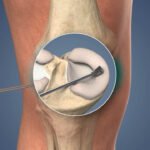

60% of adults above age 50 show osteoarthritis-related knee changes linked to chronic knee pain(CDC). This condition develops when joint cartilage wears down gradually and affects mobility and daily movement.
Age above 40 increases the risk of knee degeneration significantly, with a sharp rise after 60 due to reduced cartilage repair and joint lubrication. This makes early symptoms like stiffness and mild pain important to identify and manage.
In Delhi, prolonged sitting, limited physical activity, and increased body weight further increase knee joint stress. These factors accelerate wear on cartilage and worsen inflammation in the knee joint over time. Knee pain that persists beyond 7 days without improvement requires medical evaluation to rule out structural damage or progressive joint disease. Swelling, stiffness, or reduced range of motion often indicates deeper joint involvement.
This article explains 8 clinically relevant home remedies for knee pain, including ice therapy, strengthening exercises, and activity modification. In the end, we also discuss when a knee surgeon in Delhi recommends a replacement surgery.
Knee Pain Cases in Delhi
The degeneration begins with gradual cartilage wear and reduced joint cushioning. Early symptoms include stiffness, mild pain, and reduced mobility during movement.
Age above 40 increases knee degeneration risk significantly, with sharper progression after 60 due to reduced cartilage repair capacity. Patients in this age group show higher rates of activity-related knee discomfort and morning stiffness.
Every 1 kg increase in body weight adds approximately 4 kg of pressure on the knee joint during walking. In Delhi, sedentary routines and weight gain increase joint load and accelerate cartilage wear, leading to earlier onset of knee pain symptoms.
Ice Therapy for Knee Pain Relief at Home
Cold therapy reduces joint inflammation and pain intensity by constricting blood vessels and slowing local nerve activity. It is commonly used in early-stage knee pain, especially after activity-related flare-ups or minor injury. Apply an ice pack to the affected knee for 15–20 minutes per session, up to 3–4 times per day, ensuring a cloth barrier between ice and skin to prevent tissue damage. This method is most effective within the first 48–72 hours of swelling or acute pain onset.
Patients in Delhi experiencing post-activity knee swelling or stiffness can use ice therapy immediately after walking, climbing stairs, or prolonged standing. It helps reduce localized heat, inflammation, and discomfort without medicine dependence.
Heat Therapy Use for Stiff Knee Treatment at Home
15–20 minutes of warm compress application helps relax tight muscles around the knee joint and reduces morning stiffness. Use a warm towel or heating pad and ensure moderate temperature to avoid skin burns.
2–3 applications per day are commonly used in chronic stiffness cases, especially in patients experiencing long-standing knee discomfort in Delhi due to prolonged sitting and low mobility. Heat therapy increases local blood flow and supports temporary joint flexibility during movement. It is not recommended during active swelling or acute injury, where inflammation is still present.
Quadriceps Strength Exercises Used in Orthopedic Practice
10–15 repetitions of quadriceps strengthening exercises help improve knee joint stability and reduce load on damaged cartilage. Straight leg raises are commonly prescribed as a first-line strengthening movement for patients with mild to moderate knee pain.
Hold each leg raise for 5–10 seconds, repeat 2–3 sets daily, and maintain controlled breathing to avoid muscle strain. This exercise improves muscle support around the knee, reducing pressure during walking and stair climbing.
Orthopedic practice, quadriceps strengthening is recommended for patients with early degenerative knee changes, as stronger thigh muscles reduce joint stress and improve functional mobility during daily activities.
Weight Load Reduction Strategy for Knee Joint Pain
A reduction of 5–10% body weight significantly decreases mechanical stress on the knee joint and improves pain outcomes in osteoarthritis patients.
Patients in Delhi with sedentary routines are advised to reduce prolonged sitting periods beyond 45–60 minutes and include short movement breaks to prevent joint stiffness and fluid accumulation. This improves circulation and reduces inflammatory load on the knee joint.
Controlled weight management combined with low-impact activities like walking or cycling reduces progression of knee cartilage wear and supports better long-term joint function in chronic knee pain cases.
Turmeric Intake as a Knee Pain Home Remedy
Curcumin, the active compound in turmeric, has anti-inflammatory properties that help reduce joint pain and stiffness in early-stage knee osteoarthritis cases. It is commonly used as a supportive home remedy in Indian households.
A typical intake pattern includes 500–1,000 mg of curcumin daily or 1–2 teaspoons of turmeric powder mixed in warm milk. Regular intake is often followed for 2–4 weeks to observe reduction in morning stiffness and mild joint discomfort.
Patients with chronic knee pain, turmeric is used as a supportive measure alongside exercise and weight management, not as a standalone treatment for advanced joint degeneration or structural damage.
Compression Support Method for Knee Stability
20–30 mmHg compression support is commonly used to reduce mild knee swelling and improve joint stability during movement. Elastic knee sleeves provide external support by limiting excessive joint motion and improving proprioception during walking.
Wear compression support for 2–6 hours during daytime activity, especially during walking or stair use, and remove it during rest or sleep to maintain normal circulation. Avoid overly tight application that restricts blood flow or causes numbness.
Patients with chronic knee strain, compression support is used alongside strengthening exercises for functional stability.
Elevation Technique for Swelling Control in Knee Pain Cases
Elevating the affected leg above heart level for 15–20 minutes helps reduce fluid accumulation in the knee joint and decreases visible swelling. This position improves venous return and reduces pressure inside the joint capsule.
Repeat elevation 2–3 times per day, especially after walking, standing for long hours, or stair climbing. A pillow or folded blanket can be used under the calf to maintain proper alignment without stressing the knee joint.
Patients with activity-induced knee swelling, elevation is commonly combined with ice therapy and compression support to control inflammation and improve short-term mobility comfort.
Activity Modification Plan Recommended by Specialists
Avoiding high-impact activities such as running, jumping, and prolonged stair climbing helps reduce knee joint stress and prevents further cartilage wear in patients with early to moderate knee pain. These movements increase compressive force on the knee joint and worsen inflammation.
Limit continuous standing or walking beyond 20–30 minutes without rest, especially in patients experiencing stiffness or swelling. Short breaks of 5–10 minutes between activities help reduce joint fatigue and improve mobility control.
In Delhi orthopedic practice, patients are advised to replace high-impact movements with low-impact alternatives such as slow walking, stationary cycling, or basic range-of-motion exercises to maintain joint function without increasing degeneration risk.
Knee Replacement Surgery in Delhi: Clinical Trigger Points
Pain persisting for 3–6 months despite structured non-surgical treatment such as exercises, weight control, and medication often indicates advanced knee joint degeneration requiring surgical evaluation. At this stage, cartilage damage typically becomes irreversible and functional limitation increases.
Patients are considered for knee replacement in Delhi when daily activities such as walking, sitting down, or climbing stairs become consistently painful and mobility reduction continues even after conservative care. Progressive stiffness and joint deformity are common indicators of advanced osteoarthritis requiring orthopedic assessment.
Surgical evaluation is recommended when pain significantly affects quality of life for more than 12 weeks, especially in cases where inflammation and joint instability persist despite physiotherapy and medication. Early consultation with a knee replacement specialist in Delhi helps determine suitability for partial or total knee replacement based on joint damage severity.
Knee pain progresses from mild stiffness to structural joint damage when early symptoms are ignored or left untreated. In Delhi patients, prolonged sitting, reduced activity levels, and weight-related stress often accelerate cartilage wear and increase inflammation in the knee joint.
Home remedies such as ice therapy, heat application, strengthening exercises, and weight management help control early-stage symptoms. However, persistent pain beyond 7 days, recurring swelling, or reduced mobility indicates deeper joint involvement that requires clinical evaluation.
When symptoms progress beyond 3 months despite conservative care, orthopedic assessment becomes necessary to evaluate cartilage damage and determine long-term treatment options, including surgical intervention where required.
At The Bone Clinic, Delhi, patients receive structured evaluation for all stages of knee pain from early stiffness to advanced osteoarthritis requiring surgical planning.
If knee pain is affecting daily movement, walking ability, or quality of life, early consultation helps prevent further joint deterioration and supports timely treatment planning at The Bone Clinic, Delhi.